Imbue
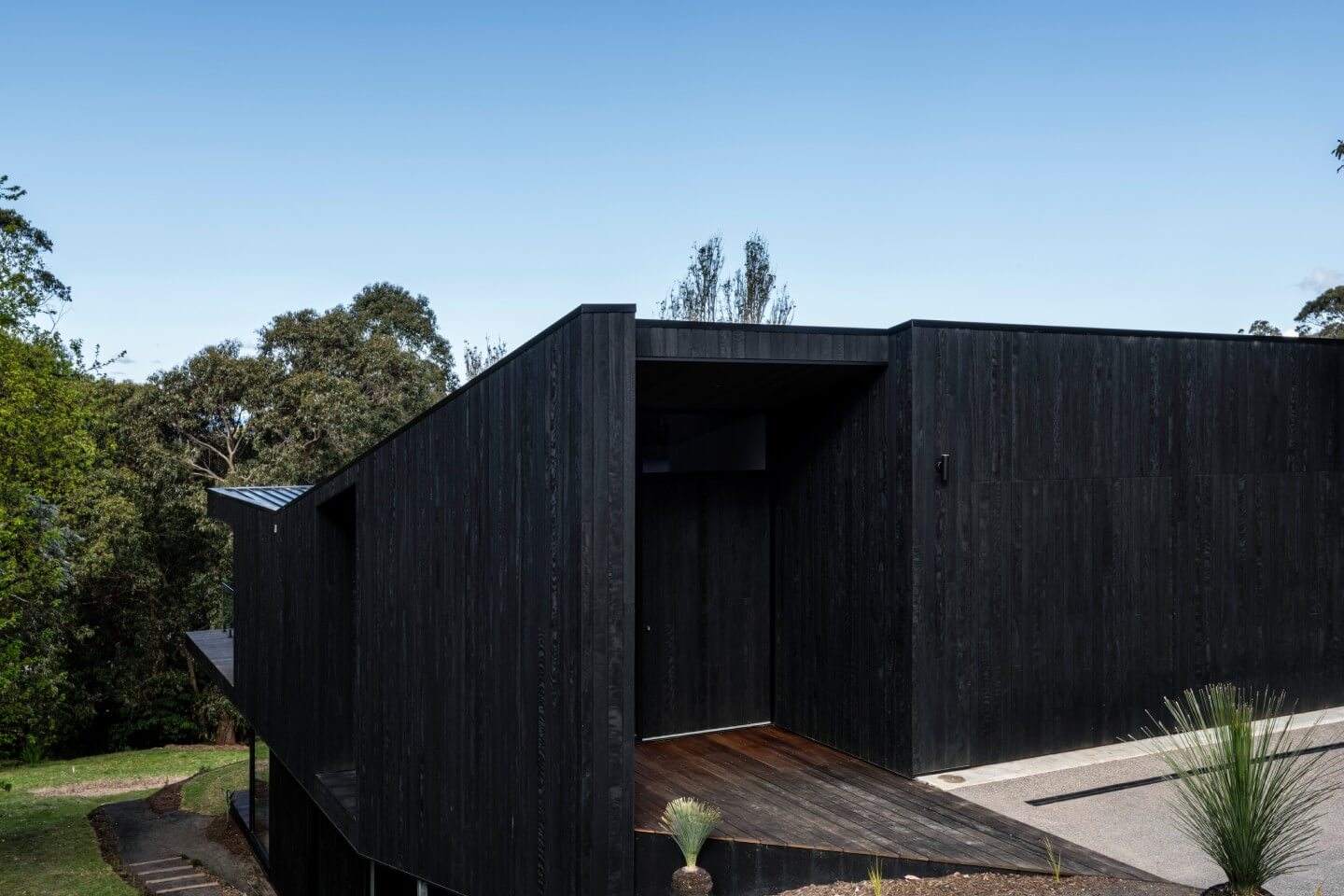
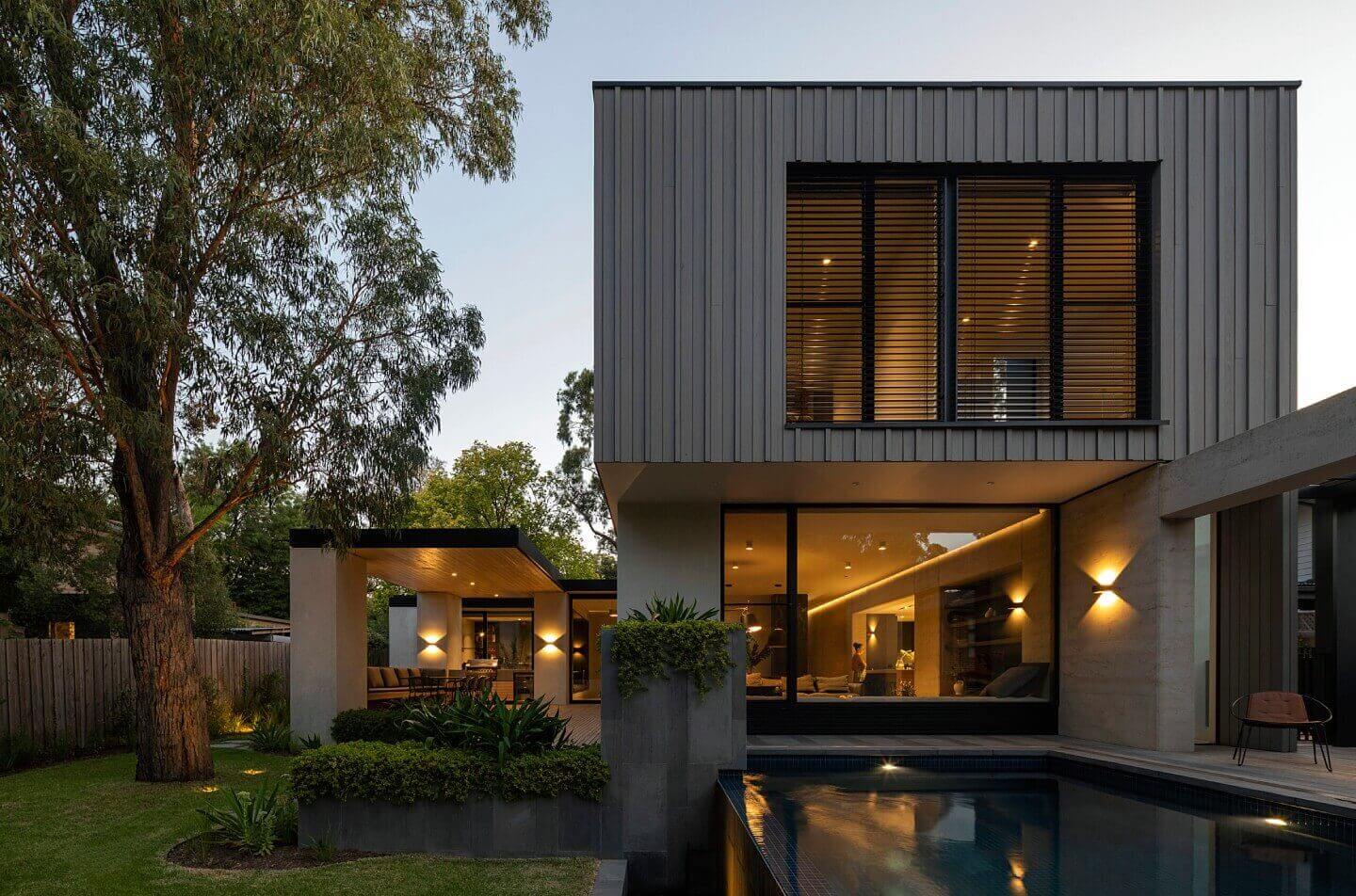
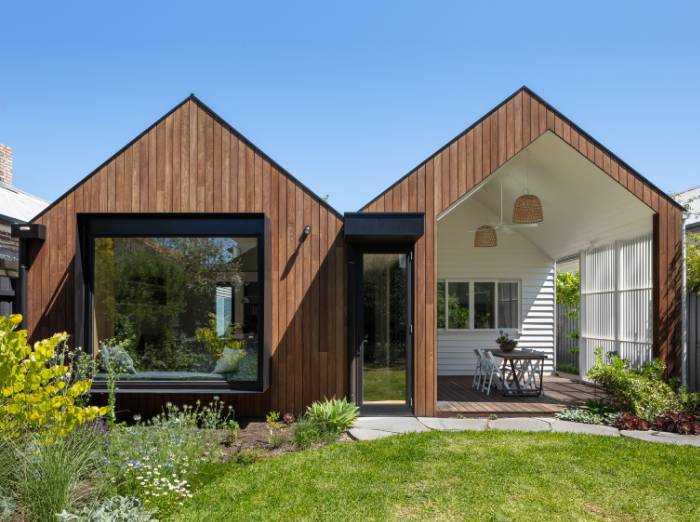

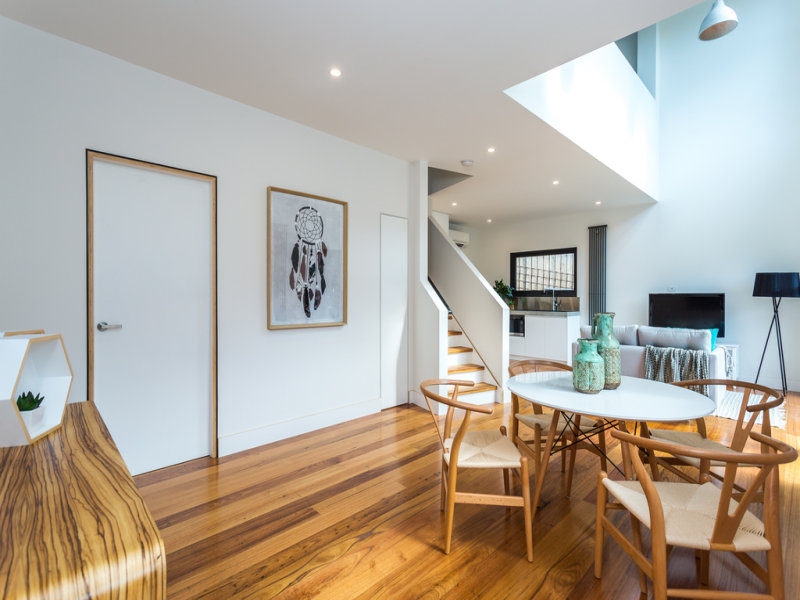

Spotted Gum and Blackbutt are two of the best-known Australian hardwoods, and both are used across flooring, decking, cladding and other architectural applications.
On paper, they share a lot. Both are durable hardwoods, both are available across several of our ranges and both are used across indoor and outdoor applications.
The real difference in spotted gum vs blackbutt usually comes down to character.
Spotted Gum has more variation in colour and grain. Blackbutt is generally lighter and more even. One tends to make more of a statement; the other can sit more quietly within a space.
So rather than asking which one is better, it makes more sense to look at which one suits your project.
What Is the Difference Between Spotted Gum and Blackbutt?
The first thing most people notice is colour.
Spotted Gum is known for richer brown tones and more visible variation through the grain. Individual boards can carry noticeably different colour and character, which gives larger surfaces more movement.
Blackbutt is typically much lighter, ranging from pale cream through to golden brown. The grain is generally straighter and more even, giving it a cleaner, more consistent appearance.
That difference becomes especially noticeable across a large floor, deck or wall.
For many projects, appearance ends up being one of the biggest factors in the spotted gum vs blackbutt decision.
Colour and Grain
Spotted Gum has a stronger visual presence.
Its natural variation can make the timber itself an important part of the design, particularly across flooring, decking or cladding where you see a large amount of material at once.
Blackbutt has a softer, lighter look. Its pale colouring works well in interiors where you want the warmth of timber without bringing too much visual weight into the room.
It can also be easier to carry through different parts of a project where a more consistent timber palette is the goal.
There is no right answer here. It really comes down to whether you want the timber to show more variation or sit more evenly within the overall design.
Which Timber Is Harder?
Spotted Gum is the harder of the two.
Our published figures list Spotted Gum at approximately 11.0 kN on the Janka hardness scale, while Blackbutt is approximately 9.1 kN.
Blackbutt is still firmly within the hardwood category, and we use it across flooring, decking and cladding applications.
It is worth remembering that hardness is only one part of the decision. The way the timber looks, where it will be used, the finish and the level of exposure all matter too.

Spotted Gum vs Blackbutt Flooring
When looking at spotted gum vs blackbutt flooring, both species are available through our Solid Timber Floors range.
Both Native Spotted Gum and Native Blackbutt are also available in our Heatwood engineered timber flooring range.
The biggest difference is still visual.
Spotted Gum gives you more variation from board to board, with stronger grain and deeper colour changes across the floor.
Blackbutt gives you a lighter, more even finish. It can work particularly well in spaces where you want timber warmth without making the floor the dominant feature.
Spotted Gum is harder according to our published Janka figures, but both are hardwood flooring options.
If you are choosing between the two, seeing them in person is worthwhile. A single board or small sample will not always show the full amount of variation you will see once an entire floor is installed.

Blackbutt vs Spotted Gum Decking
For blackbutt vs spotted gum decking, both species are available through our Timber Decking range.
Spotted Gum gives a deck more natural colour variation and visible grain.
Blackbutt creates a lighter overall finish and can work well alongside pale brick, concrete, render and other contemporary exterior materials.
Our decking comes pre-finished and can be tailored to suit the design, with finishes including natural, clear oiled and Shou Sugi Ban charred options.
When considering spotted gum vs blackbutt decking, it is also worth thinking beyond how the timber looks on day one.
Exterior timber changes with sun, weather and general exposure over time. The finish you choose, and how you maintain it, will influence how much of the original colour is retained.
Durability and Exterior Use
We use both species across several of our exterior timber ranges.
Our external hardwood cladding range includes Blackbutt and Spotted Gum products described as Class 1 and suitable for BAL-29 applications.
These ratings relate specifically to the cladding products listed in this range and shouldn’t be read as applying to every possible use of either species.
Our existing Blackbutt guide also describes Blackbutt as Class 1 for above-ground durability and discusses its use in exposed exterior applications.
For projects in bushfire-prone areas, the timber still needs to be selected in line with the requirements that apply to the specific building and site.
What About Maintenance?
Both timbers will change outdoors over time.
For Blackbutt, we note that oil can be used where retaining the timber’s golden colour is the goal. If left to weather naturally, the colour will gradually move towards grey as it is exposed to UV and the elements.
With Spotted Gum, the same general considerations apply around finish, exposure and the look you want to maintain over time.
We offer a number of finishes across our exterior timber ranges, so it is worth thinking about maintenance while you are choosing the timber rather than leaving it until after installation.
Blackbutt vs Spotted Gum Price
There is no single answer to a blackbutt vs spotted gum price comparison.
We don’t publish a like-for-like price comparison between the two species across every product.
The final cost can depend on what you are buying, the dimensions, profile, finish and current availability.
A flooring board and a decking board in the same species are also very different products, so it is more useful to compare the exact specification you need rather than assume one timber will always be more or less expensive.
For current pricing, speak with our team and compare the same product specification in each species.
Where Else Can Spotted Gum and Blackbutt Be Used?
The choice between blackbutt vs spotted gum goes beyond flooring and decking.
You’ll find both species across several of our ranges, including timber cladding and timber posts and beams, as well as flooring and decking.
That gives you the option of carrying the same timber through different areas of a project where the product range allows.
Availability can vary between products, sizes and finishes, so it is worth checking what is available before locking in a full material schedule.
So, Which Timber Is Right for Your Project?
The spotted gum vs blackbutt choice is less about finding a winner and more about finding the timber that suits the job.
Spotted Gum is harder according to our published Janka figures and has more natural colour and grain variation.
Blackbutt is lighter and more even in appearance, while still being used across our flooring, decking and cladding ranges.
For flooring and decking especially, it helps to see both species at a larger scale before making the final call.
If you are still weighing up spotted gum vs blackbutt, seeing full boards and finishes in person can make the decision much easier.
Visit our Richmond showroom to compare the two species, or get in touch with our team to discuss your project, availability and current pricing.
Frequently Ask Questions
Is Spotted Gum harder than Blackbutt?
Yes. Our published Janka hardness figures list Spotted Gum at approximately 11.0 kN and Blackbutt at approximately 9.1 kN. Both are Australian hardwoods used across flooring, decking and cladding applications.
Which is better for flooring, Spotted Gum or Blackbutt?
For spotted gum vs blackbutt flooring, the choice usually comes down to the look you want as much as hardness. Spotted Gum has more colour and grain variation, while Blackbutt is generally lighter and more even in appearance. Both are available through our solid timber flooring range.
Which is better for decking, Blackbutt or Spotted Gum?
For blackbutt vs spotted gum decking, both species are available through our timber decking range and are used for exterior applications. Spotted Gum offers more visible variation, while Blackbutt gives a lighter overall finish. The right choice will also depend on the finish, exposure and wider design of the project.
Is Spotted Gum more expensive than Blackbutt?
There is no single answer to blackbutt vs spotted gum price. Cost can vary depending on the product, dimensions, profile, finish and current availability. The most useful comparison is between the same product specification in each species.
Can Spotted Gum and Blackbutt be used outdoors?
Yes. Both species appear across our exterior timber ranges, including decking and cladding. The exact product still needs to suit the application, exposure and any relevant building or bushfire requirements.
What is the main difference between Spotted Gum and Blackbutt?
The biggest visual difference is colour and grain. Spotted Gum generally has richer brown tones and more variation, while Blackbutt is lighter, with a straighter and more even appearance. Spotted Gum also has the higher Janka hardness rating of the two.